

Harmoningos
aplinkos projektai
500+
25+
Saugus atsiskaitymas
internetu
Žingsnis po žingsnio įrengimo instrukcija
Spausdinta projekto
dokumentacija
Tikslūs planai ir
kiekių skaičiavimai
Saugūs mokėjimai internetu
sprendimai.
Spausdinta projekto dokumentacija
Žingsnis po žingsnio įrengimo instrukcija
Tikslūs planai ir kiekių skaičiavimai
Trys sprendimai –
skirtingoms erdvėms ir poreikiams.
INDIVIDUALUS PRO
3500€
INDIVIDUALUS
1500€
TIPINIS
299€
Kaip atrodo kiekvienas projektavimo variantas?
INDIVIDUALUS PRO
INDIVIDUALUS
TIPINIS
Profesionalūs kraštovaizdžio sprendimai – lengvai įgyvendinami.
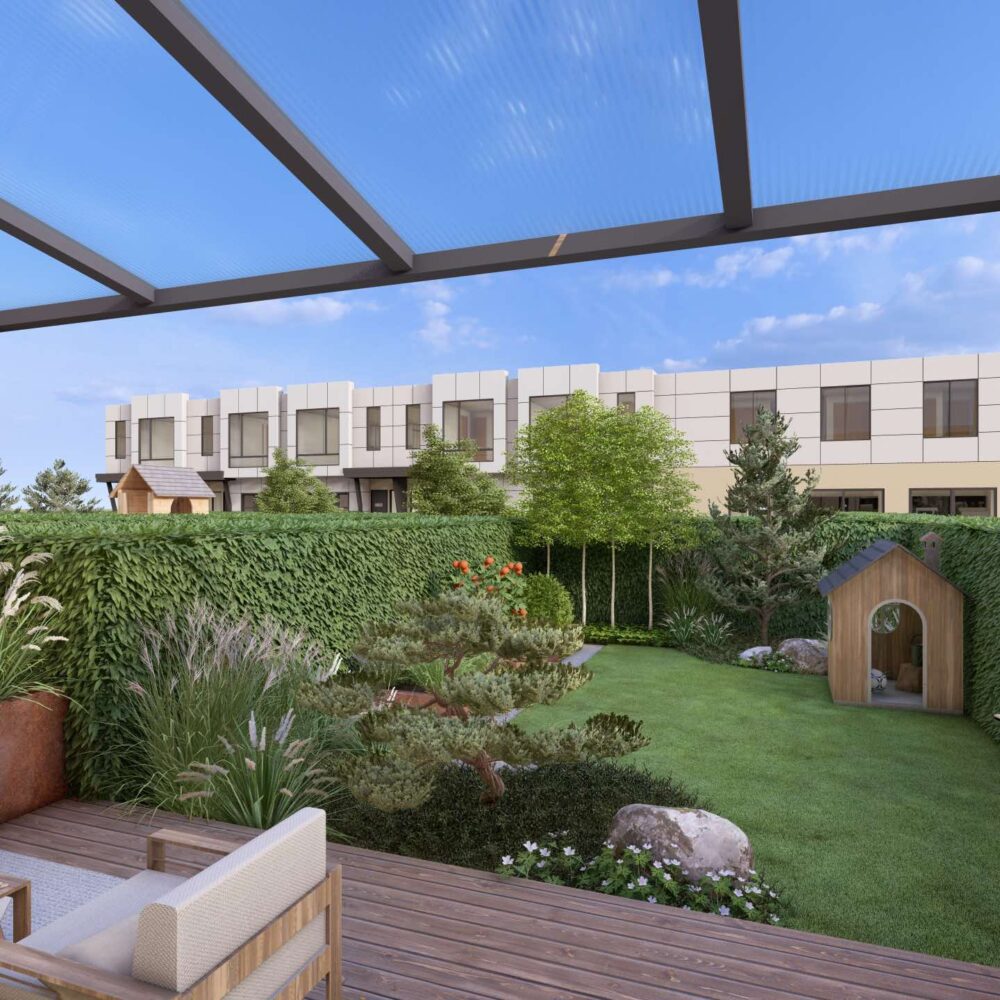
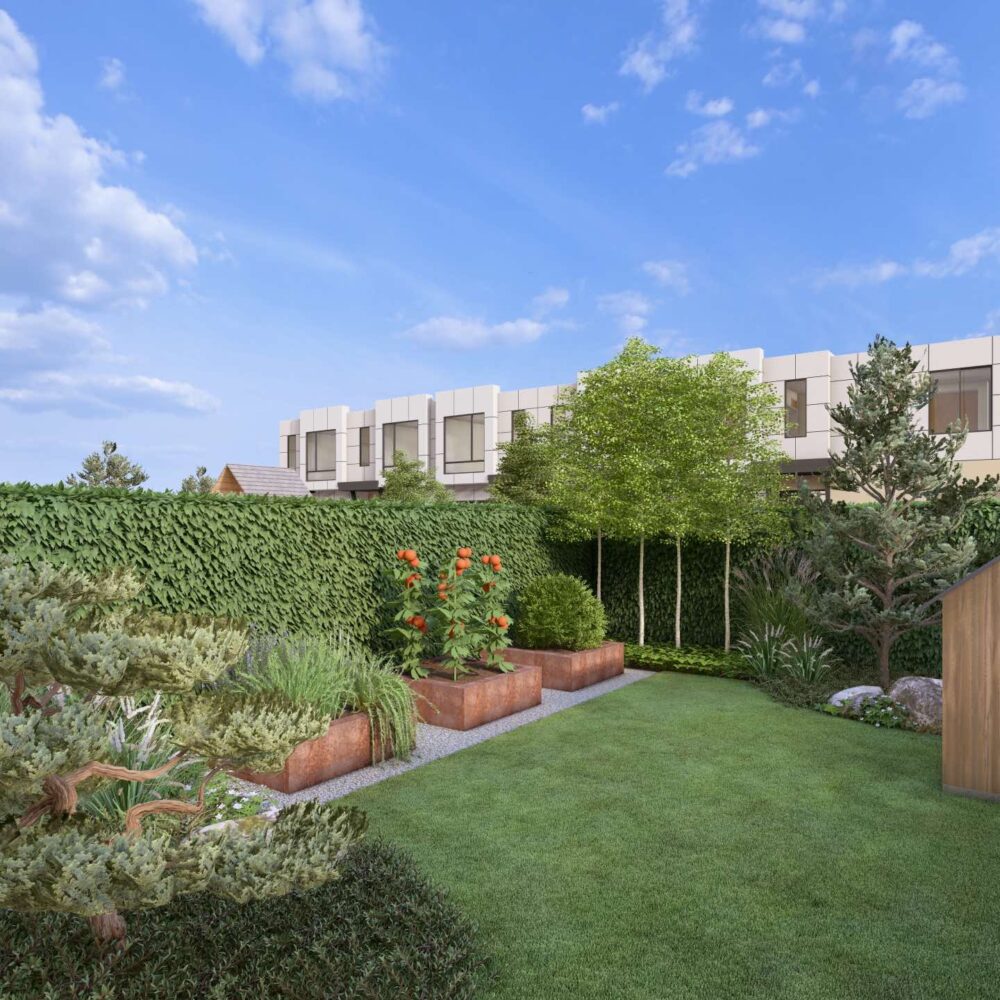
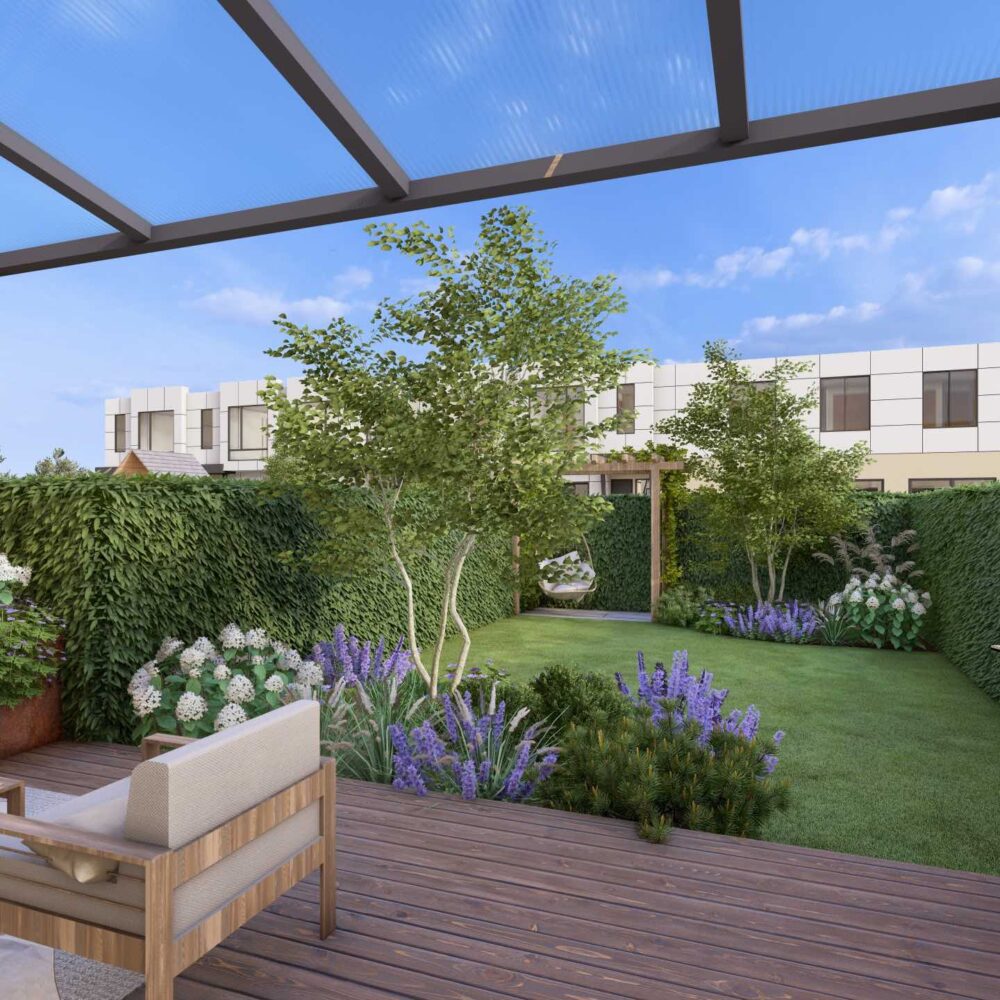
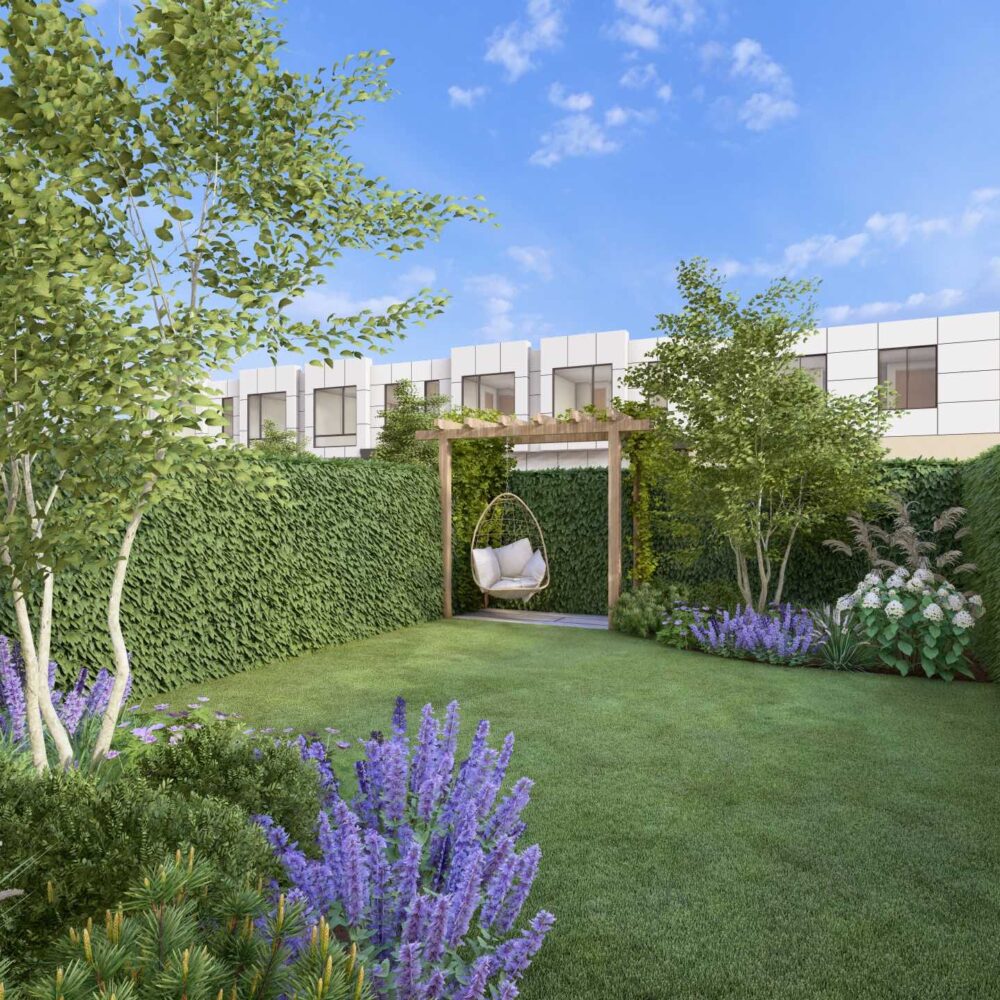
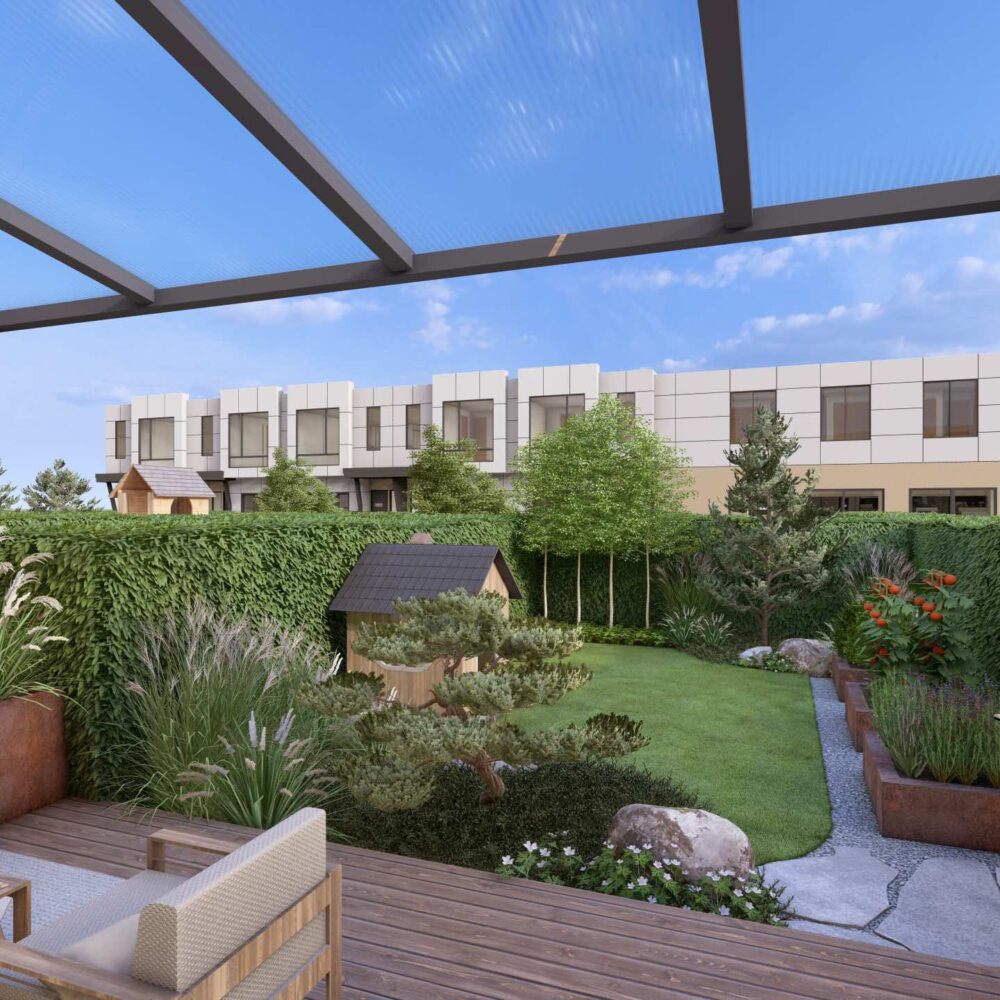
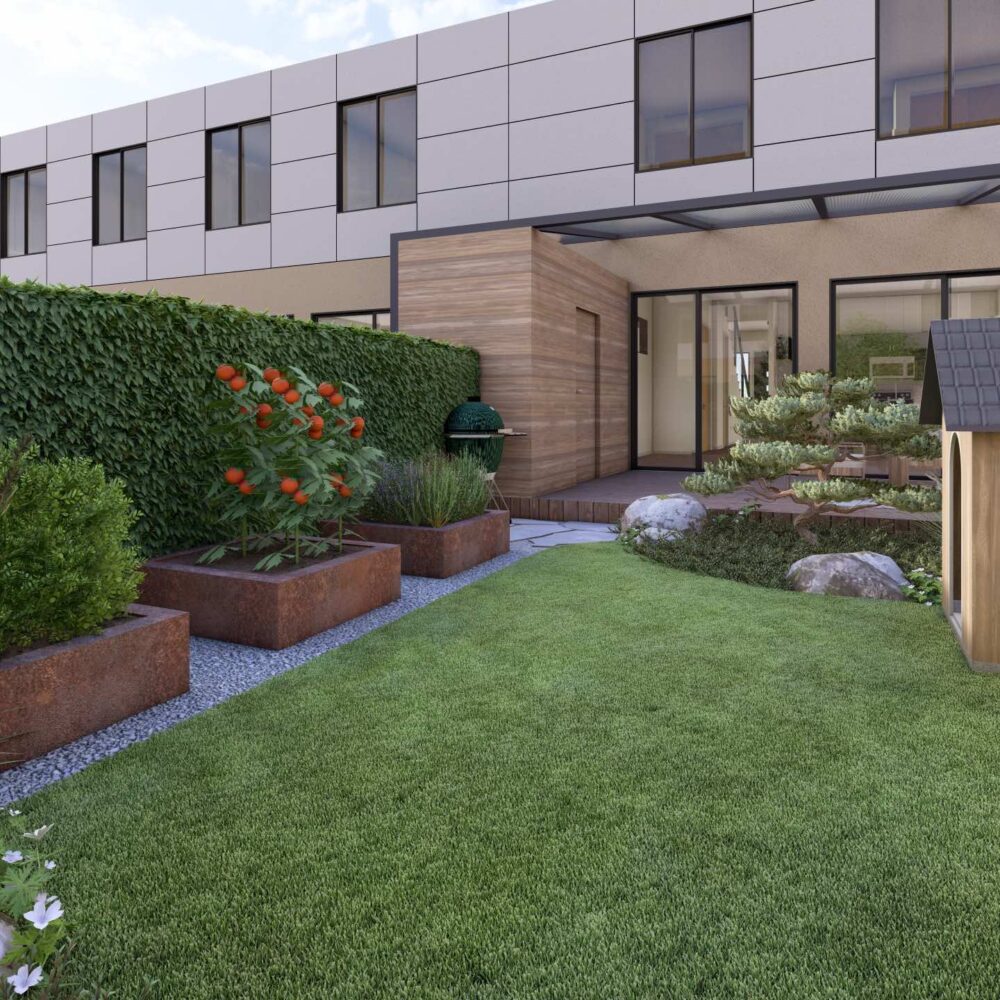
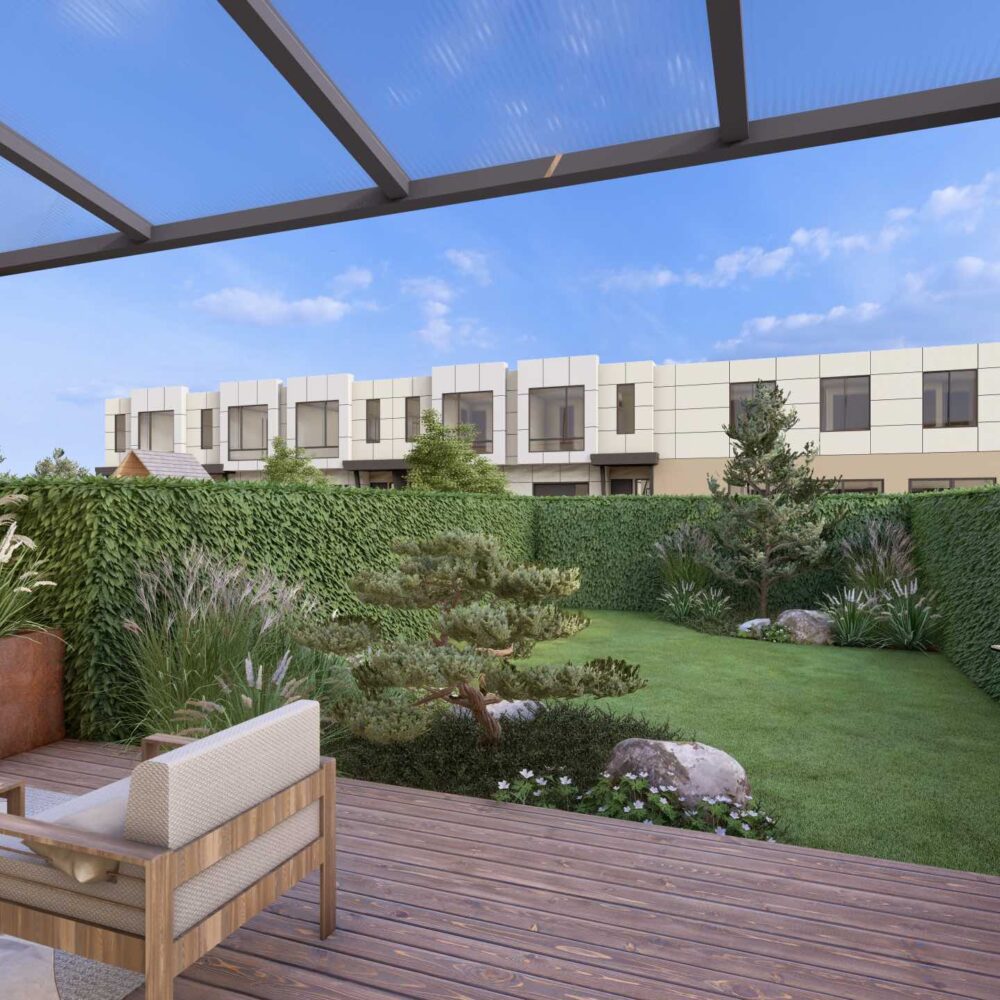
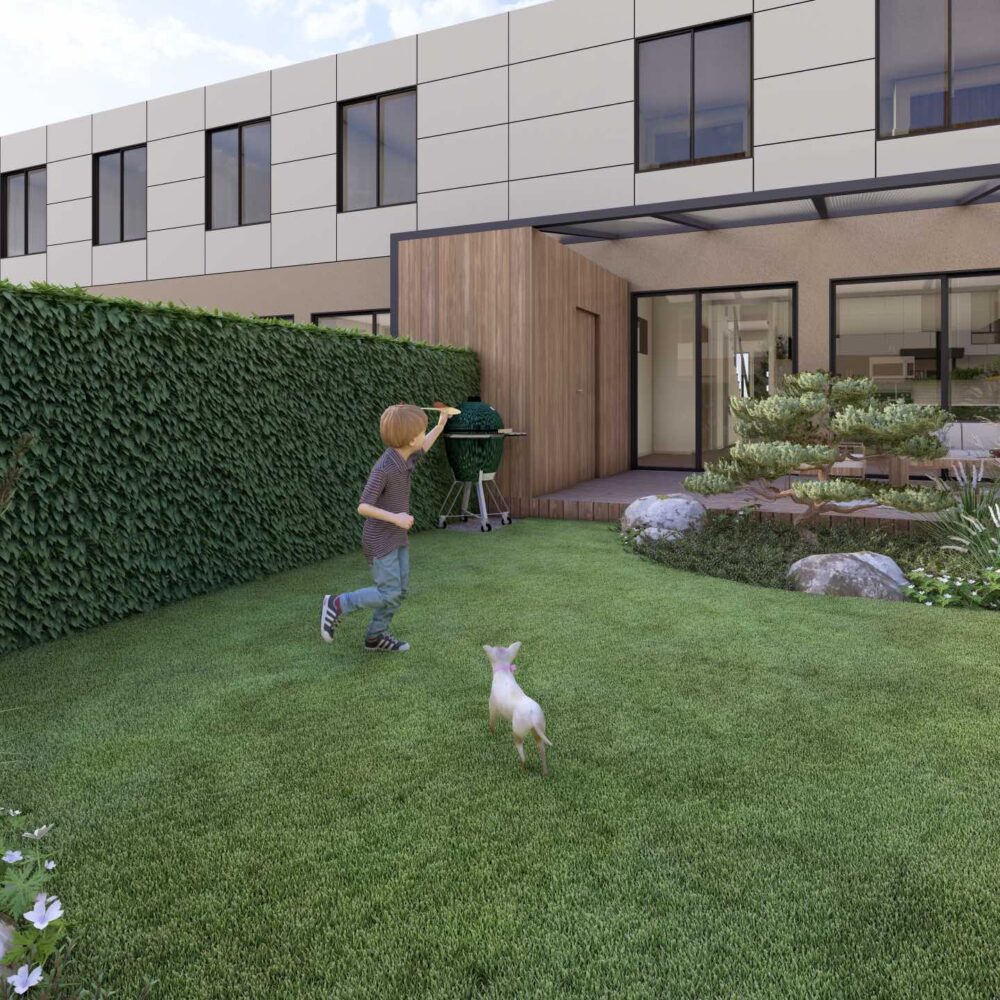
Portfolio
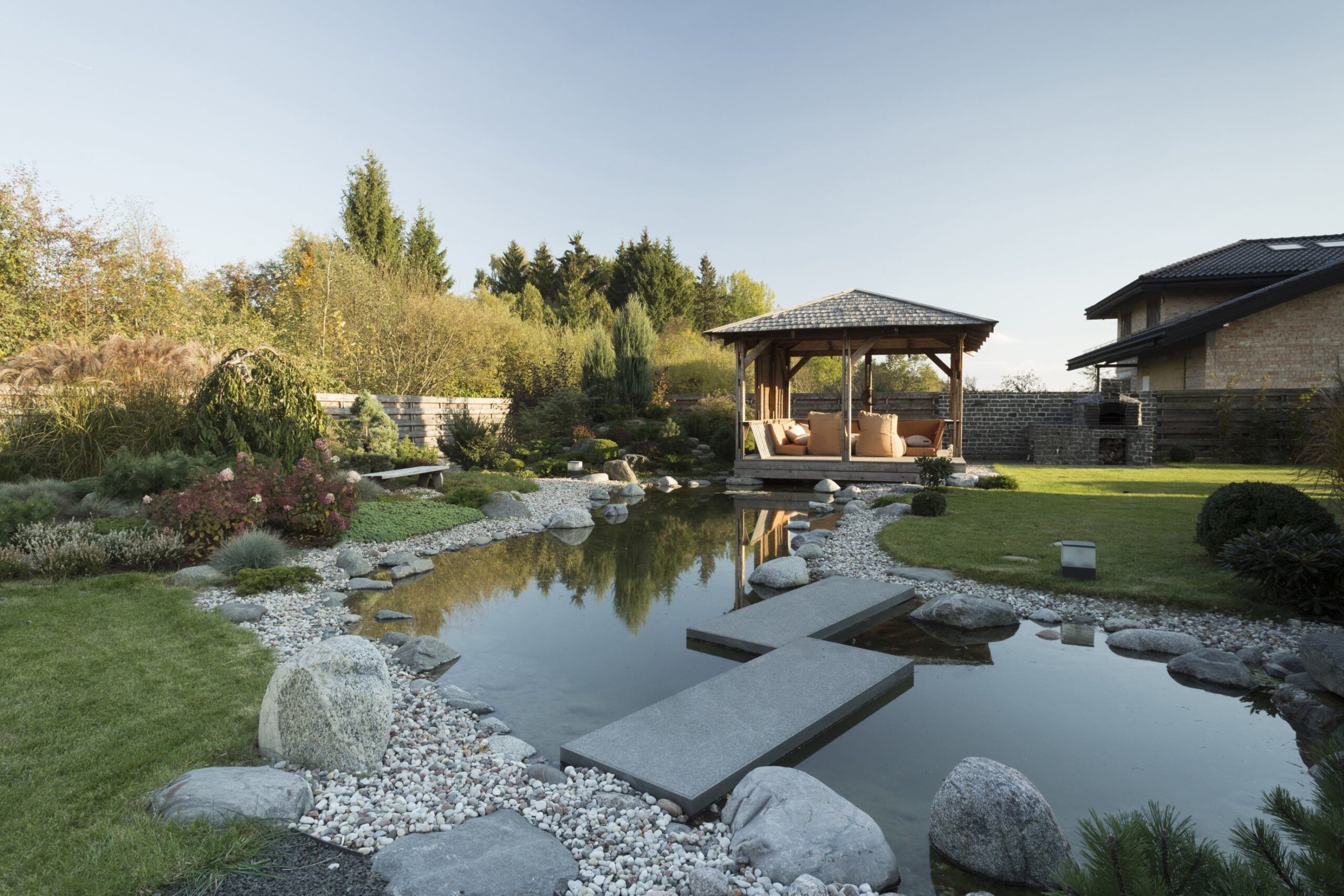
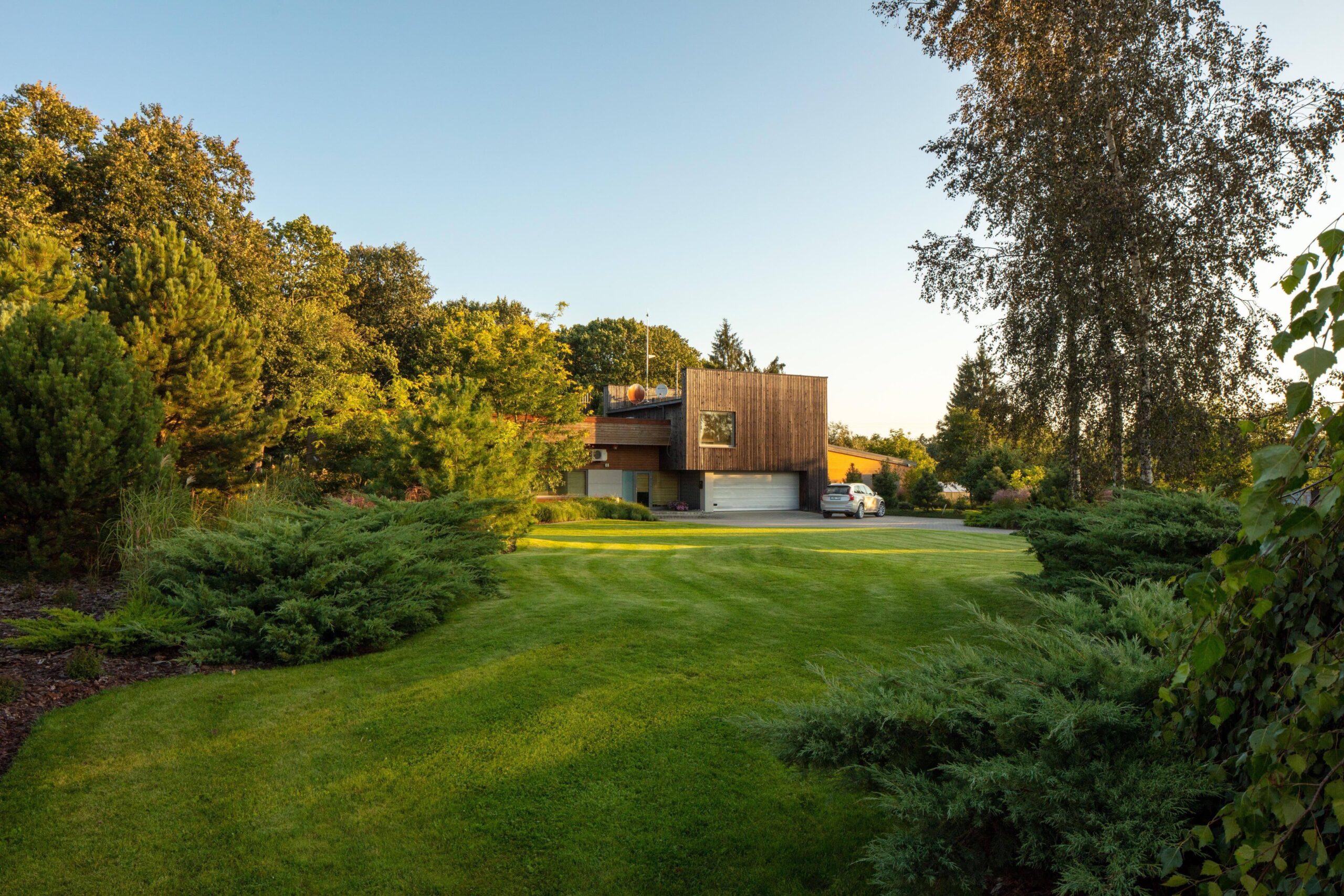
Norime išgirsti Jūsų aplinkos viziją,
Norime išgirsti Jūsų aplinkos viziją,
Nuo chaoso – prie darnios erdvės
Gidas
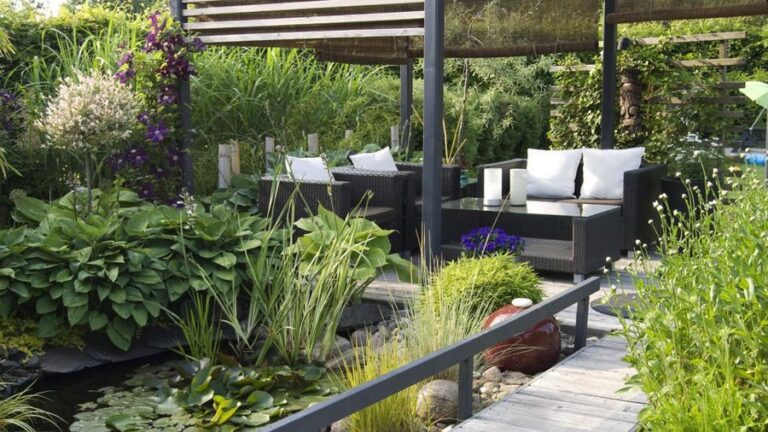
Tropinis sodas
Tropinis sodas – tai tanki, daugiasluoksnė aplinka, kurioje pagrindinį vaidmenį atlieka lapijos forma, tekstūra…
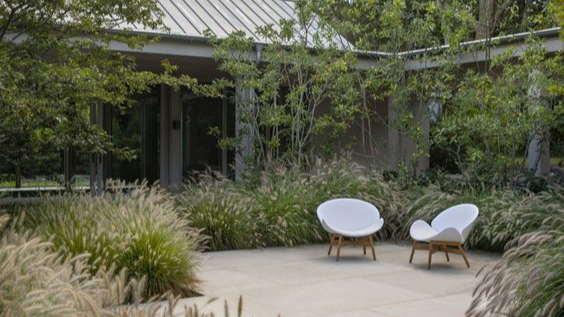
Skandinaviškas sodas
Skandinaviškas sodas – tai paprastumo, funkcionalumo ir natūralumo dermė.…
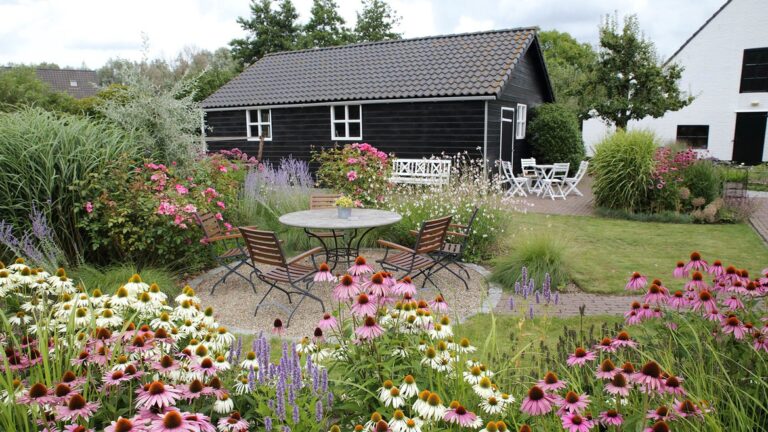
Provanso sodas
Provanso sodas – tai pietų Prancūzijos kaimiško kraštovaizdžio interpretacija…
Jūsų sklypas gali būti suplanuotas šiandien
Išsirinkite formą, stilių ir scenarijų – ir gaukite sprendimą, kurį galite įgyvendinti patys arba perduoti rangovui.
Profesionalu. Struktūruota. Be spėlionių.
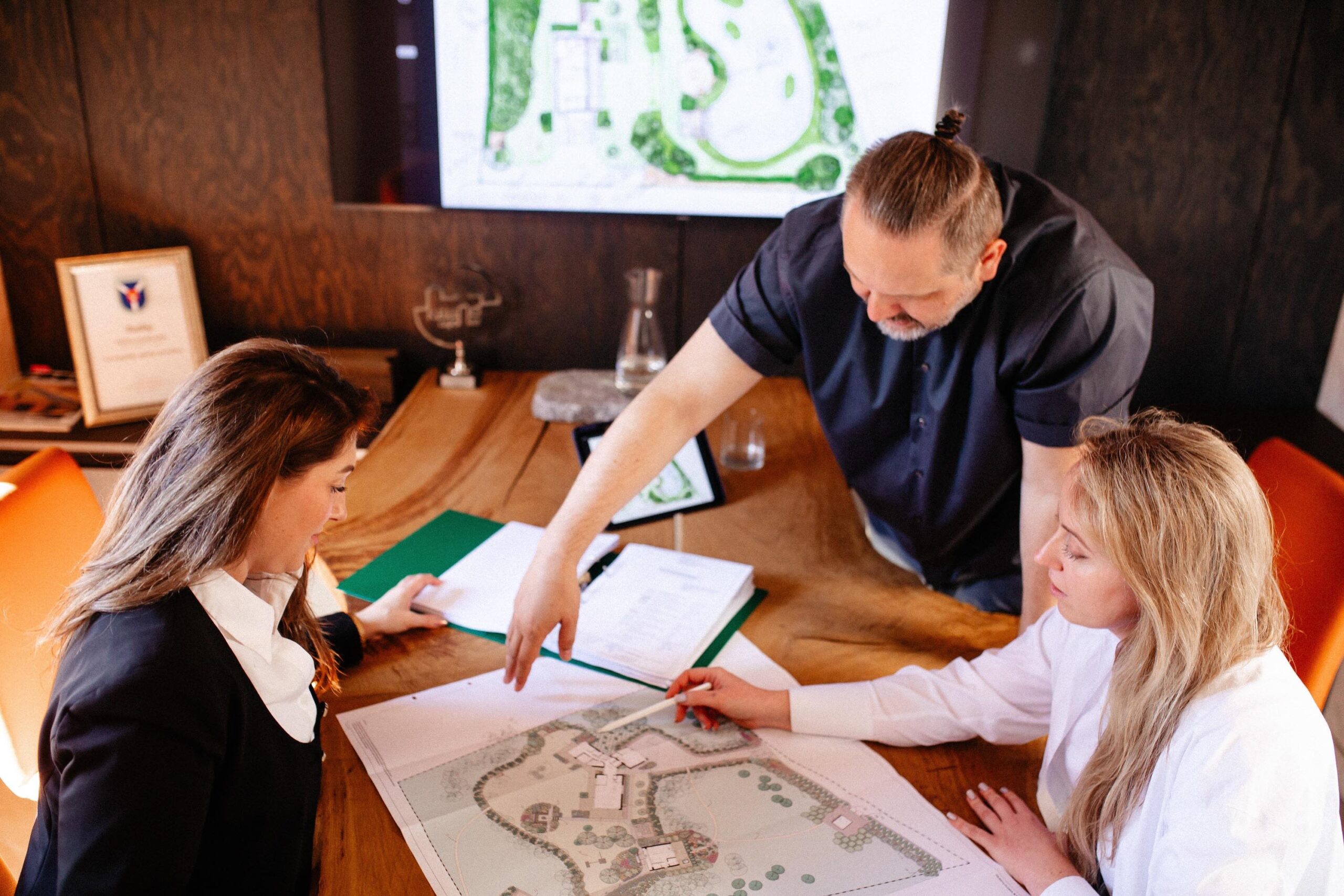
Sukuriame unikalią aplinką,
Sukuriame unikalią aplinką,
“
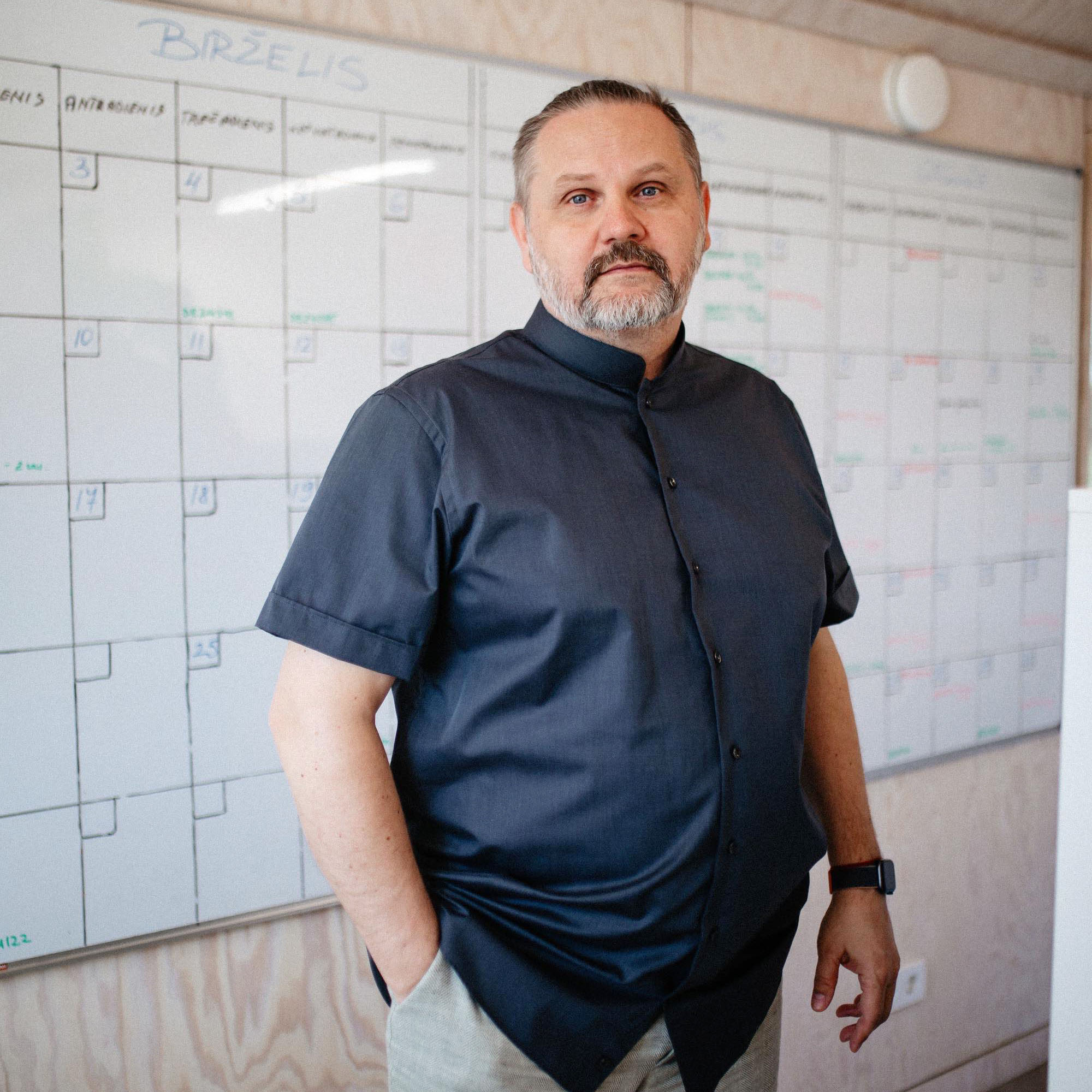
– Domas Timinskas





Įvertinta ir pripažinta praktika
Pasitikėjimas, kuris virto rezultatu
Pradėkite savo kelionę su „Darnios erdvės“ komanda
Dažniausiai užduodami klausimai
Tai svarbus klausimas visiems sklypų savininkams, norintiems ateityje išvengti konfliktų su kaimynais. Pagrindinė šių reikalavimų atsiradimo priežastis – galimas šešėliavimas ir poveikis gretimam sklypui.
Tvora:
• Tvorą galima statyti ties sklypo riba, jei ji įrengiama savo sklypo pusėje.
• Tarp gyvenamųjų sklypų dažnai rekomenduojamas arba reikalaujamas ne mažesnis kaip 50 % ažūriškumas (kad neužstotų šviesos).
• Tvoros aukštis paprastai neturėtų viršyti 2 m, tačiau kai kurios savivaldybės gali taikyti papildomus apribojimus (ypač reprezentacinėse zonose).
Augalai:
• Iki 1 m aukščio krūmai – galima sodinti arčiau nei 1 m nuo ribos.
• 1–3 m aukščio augalai – ne arčiau kaip 2 m nuo ribos.
• Virš 3 m aukščio medžiai – ne arčiau kaip 3 m nuo sklypo ribos.
Mažieji lauko architektūra: pavėsinė, sandėliukas, šiltnamis ar kiti nesudėtingi statiniai paprastai statomi ne arčiau kaip 1 m nuo sklypo ribos.
Projektuojant vertiname ne tik reglamentus, bet ir būsimo augalo ar statinio mastelį, šešėliavimą bei ilgalaikį kaimynystės komfortą. Jei tam tikrais atvejais išlaikyti nustatytų atstumų nepavyksta, situacija gali būti sprendžiama gavus rašytinį kaimyno sutikimą. Esant poreikiui, savo užsakovams pateikiame tam skirtą sutikimo formą.
Kiekvienas sklypas ir užsakovo poreikiai yra skirtingi, todėl sprendiniai parenkami individualiai – įvertinus esamą reljefą, grunto sąlygas ir planuojamas zonas.
Pirmenybę teikiame sprendimams, kurie nereikalauja papildomų tvirtinimų. Tokiais atvejais funkcinėse zonose projektuojamos lygios plokštumos, o aukščio skirtumai sukoncentruojami atskirose vietose, formuojant nedidelius šlaitus. Siekiant lengvesnės priežiūros ir estetikos, šlaitai dažniausiai apželdinami.
Kitas sprendimo būdas – terasavimas, įrengiant atramines sienutes. Svarbu žinoti, kad jei atraminė sienutė viršija 1 m aukštį, gali būti reikalingas statybos leidimas ir konstrukciniai skaičiavimai.
Daugelis mano, kad apsodinus sklypą vien spygliuočiais pavyks išvengti didesnių priežiūros darbų, tačiau tai nėra visai tiesa. Perteklinis spygliuočių kiekis gali sukurti tamsų, monotonišką ir mažiau jaukų vaizdą, o priežiūros vis tiek reikės – senų spyglių valymo (dažniausiai vasaros pabaigoje ar rudenį), kankorėžių rinkimo, kai kurių rūšių pumpurų skabymo ar formavimo. Be to, spygliuočiai ilgainiui rūgština dirvožemį, todėl svarbu išlaikyti jų kiekio balansą, kad nebūtų apsunkintos kitų augalų augimo sąlygos.
Lapuočiai rudenį meta lapus, tačiau tai koncentruotas, trumpalaikis darbas kartą per sezoną. Už tai jie suteikia sodui sezoniškumo, žydėjimo, rudeninių spalvų ir daugiau šviesos žiemos laikotarpiu.
Projektuodami želdinius formuojame masyvus ir apželdiname pomedžius, todėl priežiūra tampa paprastesnė nei turint daug pavienių (soliterinių) augalų vejoje. Subalansuotas spygliuočių ir lapuočių derinys leidžia sukurti jaukią, dinamišką aplinką ir paskirstyti priežiūros darbus tolygiai per metus.
Taip – teritorijos aukščių planai rengiami kartu su PRO projekto paslauga. Juose numatome projektuojamų dangų nuolydžius, formuojamo reljefo izohipses ir įvertiname logišką paviršinio vandens nutekėjimą, prireikus numatant vietas vandens surinkimo trapams.
Esant sudėtingesniam reljefui, rengiame ir atskirų vietų pjūvius, kurie padeda tiksliai suprasti aukščių skirtumus ir numatomus sprendinius.
Minimaliai reikalinga:
• Projektavimo užduoties
• Topografinė nuotrauka (galiojanti)
• Sklypo ribų planas
• Pastato architektūriniai brėžiniai (planai, pjūviai, fasadai)
• Inžinerinių tinklų informacija (jei jau numatyta)
• Išrašas iš registrų centro (sklypui)
Jei sklypas dar tik projektuojamas – dirbame paraleliai su architektu, tačiau būtina aiški pastato vieta ir altitudės.
Sprendinys – tai koncepcinis, bet jau apgalvotas teritorijos suplanavimas, apimantis:
• Funkcinį zonavimą
• Dangų struktūrą
• Želdinių zonas
• Pagrindinių objektų vietą
• Apšvietimo viziją
Tačiau:
Pagal sprendinį galima planuoti darbus, bet rangos darbams reikalingi detalieji brėžiniai.
Be detaliųjų planų (aukščių, konstrukcijų, mazgų) vykdyti darbus nerekomenduojame.