
An Italian garden, also known as a Mediterranean garden, is defined by clear structure, abundant light, and architectural order. It is not a spontaneous plant composition, but a thoughtfully shaped environment in which topography, pathways, and planting function as a unified system.
This style is particularly well suited to sloped or contoured sites — a terraced structure allows elevation changes to be used purposefully, creating a clear spatial hierarchy. On flat terrain, terraces can also be introduced artificially; however, it is important to maintain proportion and avoid excessive ornamentation.
Above all, an Italian garden is about light. Open, sun-filled spaces and shelter from wind are essential, as many plants characteristic of this style prefer warmth and well-drained soil. In Lithuanian climatic conditions, careful species selection and winter protection for more sensitive plants are especially important.
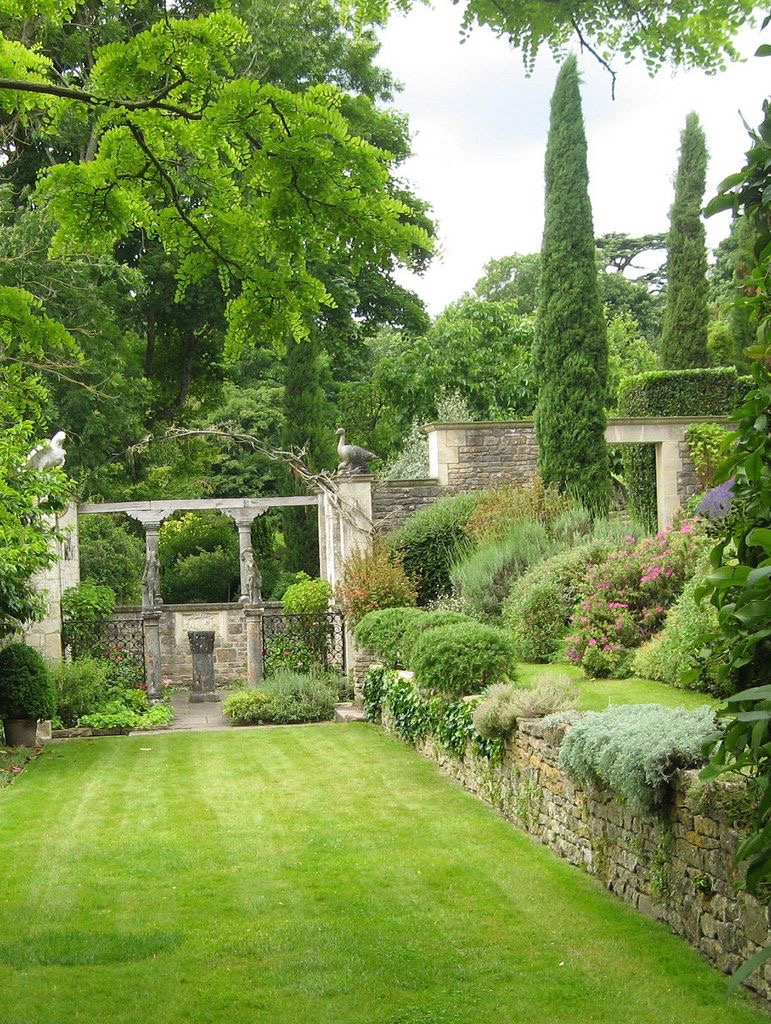
Characteristic Elements
• Terraced topography and a clear axial composition.
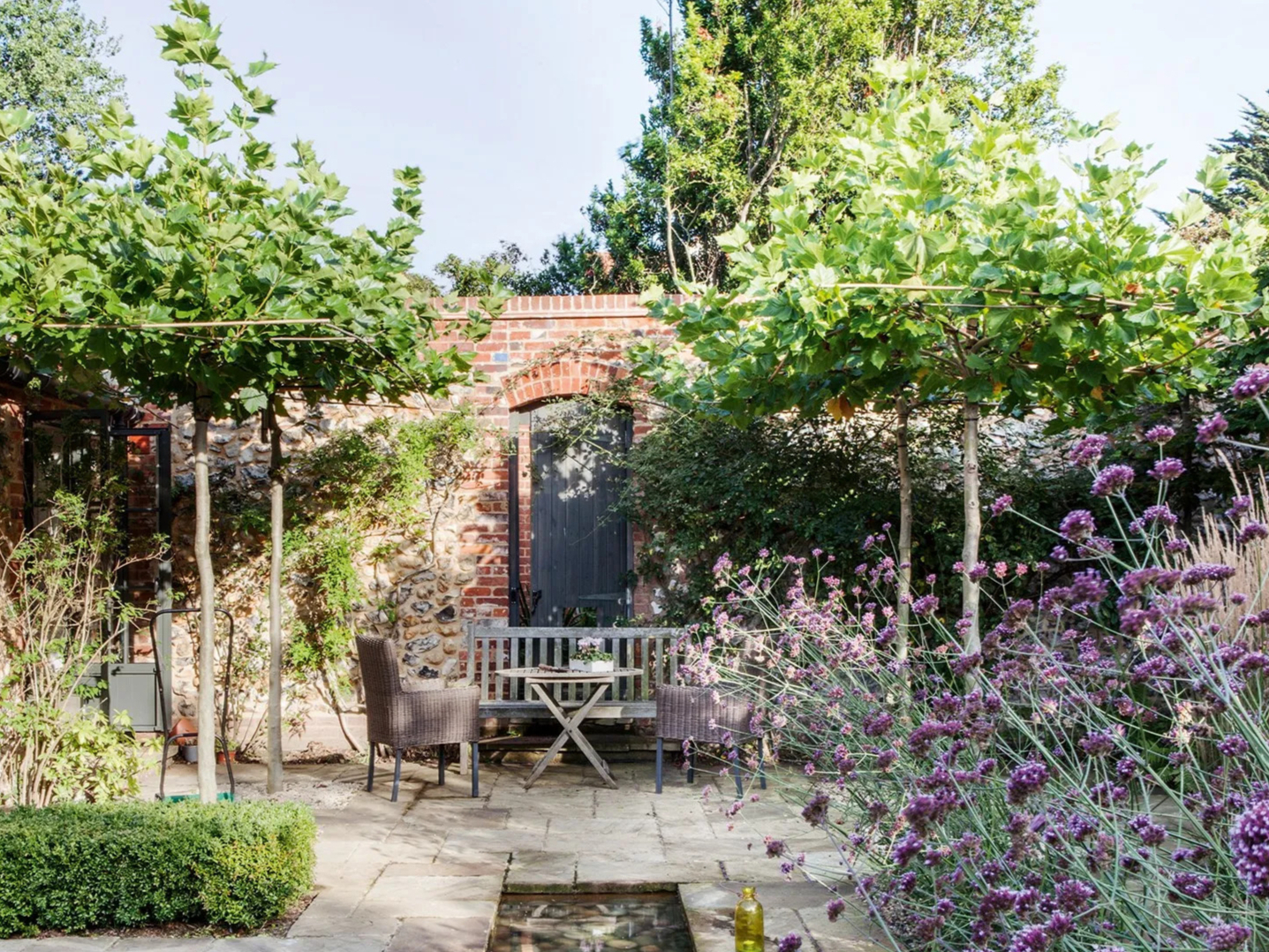
• Straight pathways with light-colored stone or gravel surfaces.
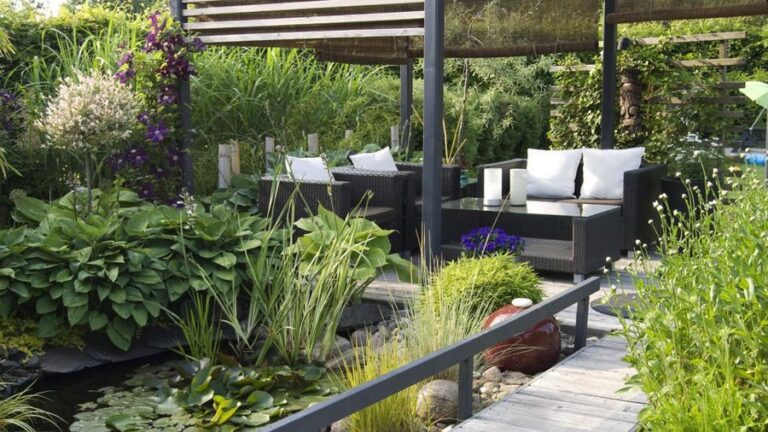
• Pergolas covered with climbers, creating a contrast of light and shade.
• Fountains, pools, or other water features that serve as compositional focal points.
• Sculptures and architectural accents.
• Large clay or stone containers, decorative urns.
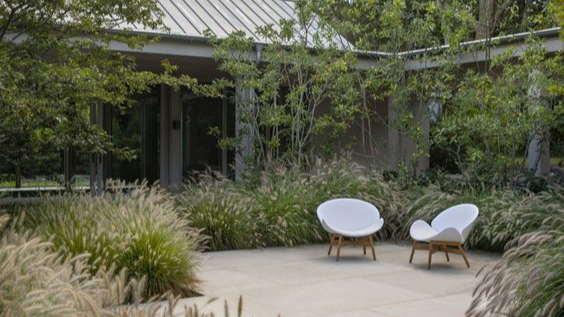
• Geometrically shaped planting and clearly defined lawn planes.
Insight: Although Italian gardens are often associated with luxury, the essence lies not in the quantity of elements but in their proportion. A single, well-defined central accent often creates a stronger effect than several competing features.
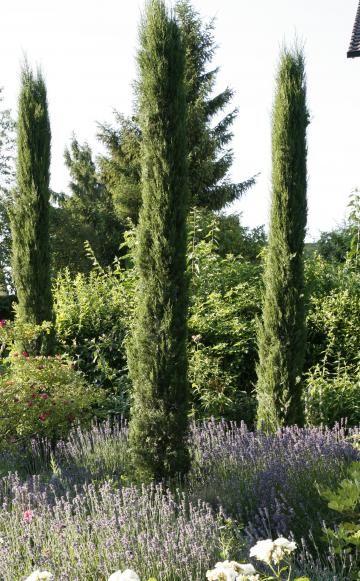
Characteristic Plants
• Columnar evergreen plants — yews and junipers (in Lithuania often used as alternatives to cypresses).
• Plants with grey or silvery foliage — lavender, wormwood (Artemisia), dead-nettles (Lamium), fescues.
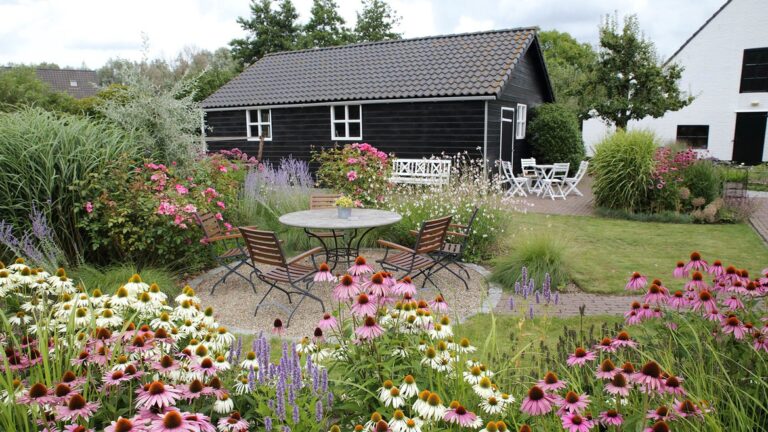
• Sun-loving, drought-tolerant perennials — yarrow, salvias, globe thistles, knautia, ornamental scabious.
• Structural shrubs — shrubby cinquefoil, smoke bush, ninebark, creating contrasts of form and color.
• Climbers for pergolas — grapevines, wisteria (requiring warmer, wind-sheltered locations).
• Seasonal flowers in containers — pelargoniums, verbena, lobelia, petunias.
• Culinary herbs in decorative pots — thyme, oregano, lemon balm, rosemary (the latter typically grown as a seasonal plant or overwintered indoors in Lithuania).
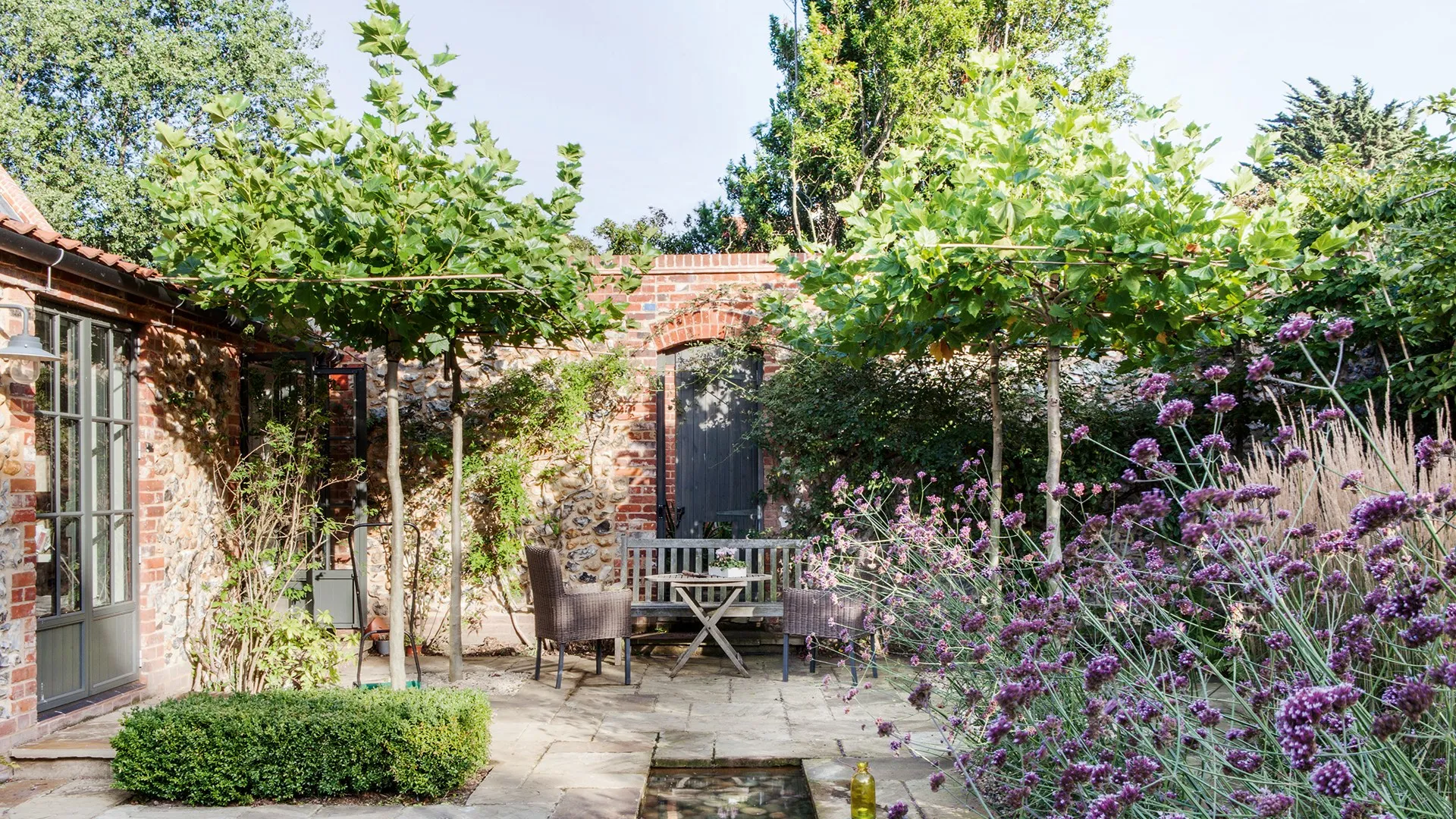
An Italian garden expresses clarity of line and a sense of warmth. It suits those who value order, architectural precision, and sun-filled spaces. When designing this style in Lithuania, the goal is not to copy southern landscapes literally, but to interpret them — adapting plant choices to the local climate, ensuring rational maintenance, and maintaining proportion within the specific site. Only then does the character of an Italian garden remain authentic and become an organic part of its place.