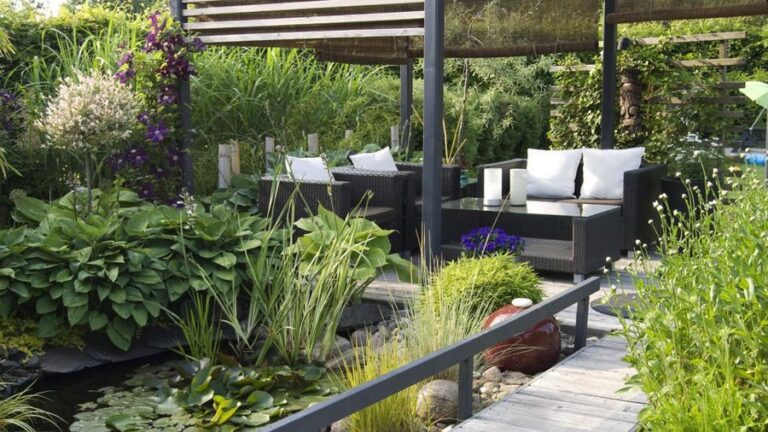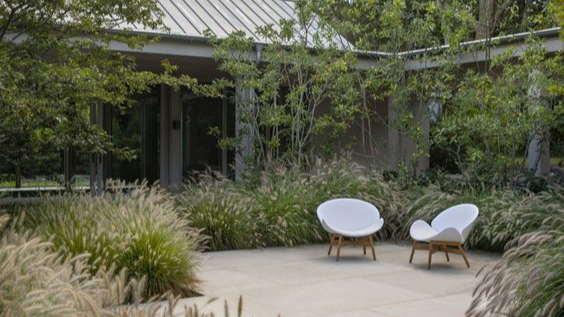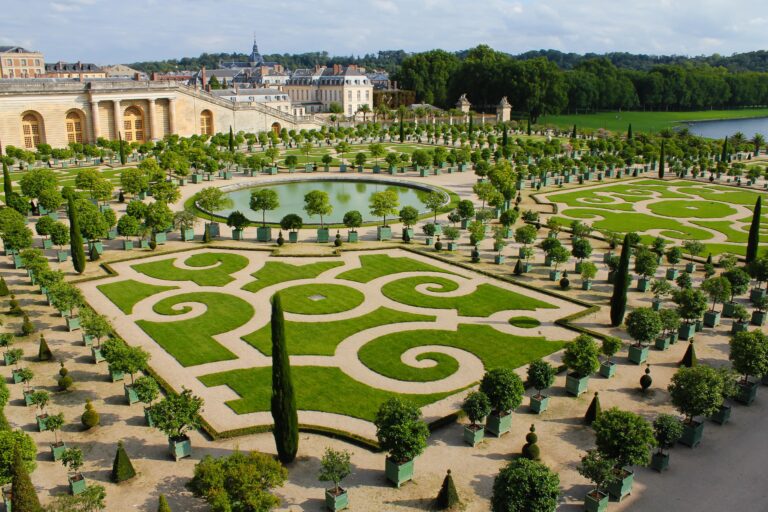

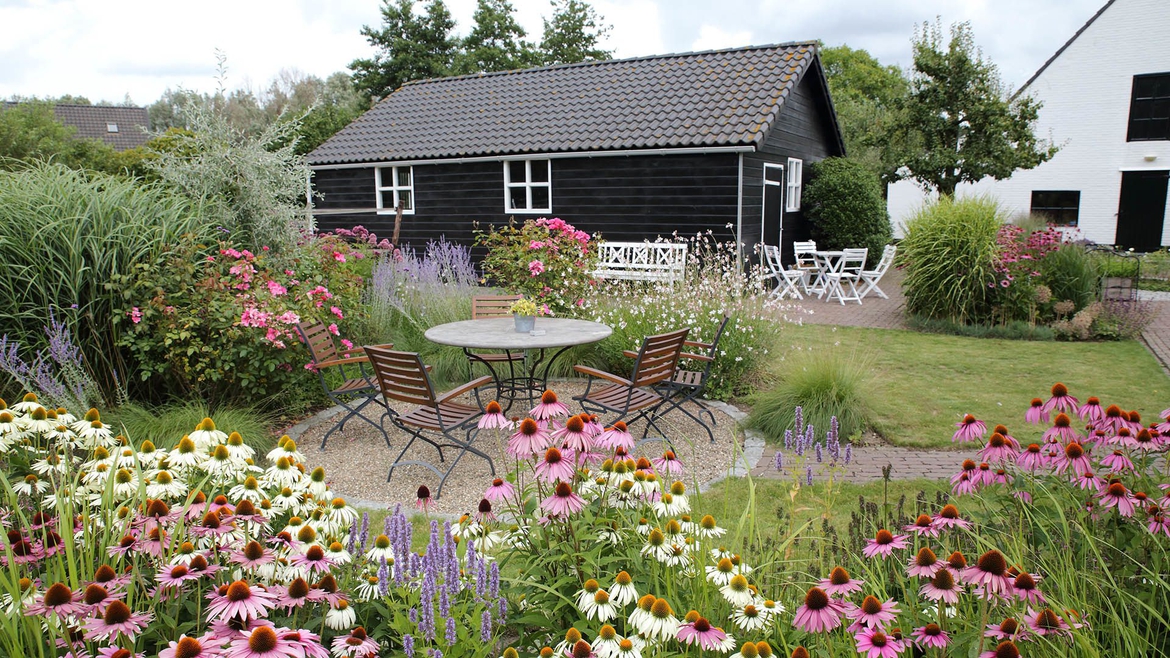
A Provence garden is an interpretation of the rural landscapes of southern France, where aesthetics are inseparable from everyday function. Here, vegetable beds, fruit trees, and flower borders are not separated — they merge into one living yet orderly structure.
Planting is generous, but intentional. The composition is shaped through fragrance, texture, and a soft harmony of colors. Formal elements — such as stone walls or straighter lines — transition naturally into looser planting. The space feels light and sun-filled, yet clearly organized.
Although the Provence style is often associated with lavender fields and a southern climate, in Lithuanian conditions it must be interpreted rather than copied. Plant selection should correspond to local hardiness zones, and more sensitive species should be placed in sheltered locations or grown in containers.
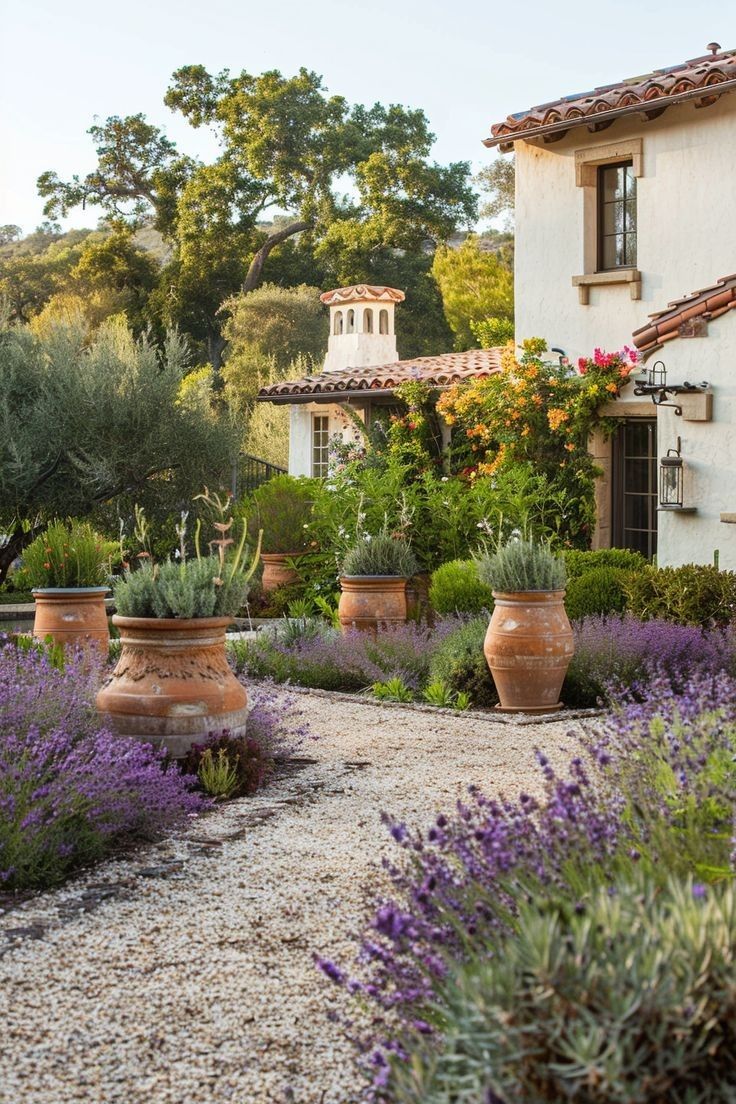
Characteristic Elements
• Paths of light-colored stone, gravel, or fine crushed stone.
• Masonry or stone walls, low terraces.
• Metal or wooden pergolas covered with climbers.
• Openwork gates or simple fences.
• Decorative clay pots and amphora-style containers.
• Integration of vegetable beds and flower borders within the same space.
• A shaded seating area — under a pergola or beneath a tree canopy.
Insight: A Provence garden reveals its character best in sunny, warmer locations. In shaded or damp areas, the lightness typical of this style may lose its expression, making careful site analysis essential.
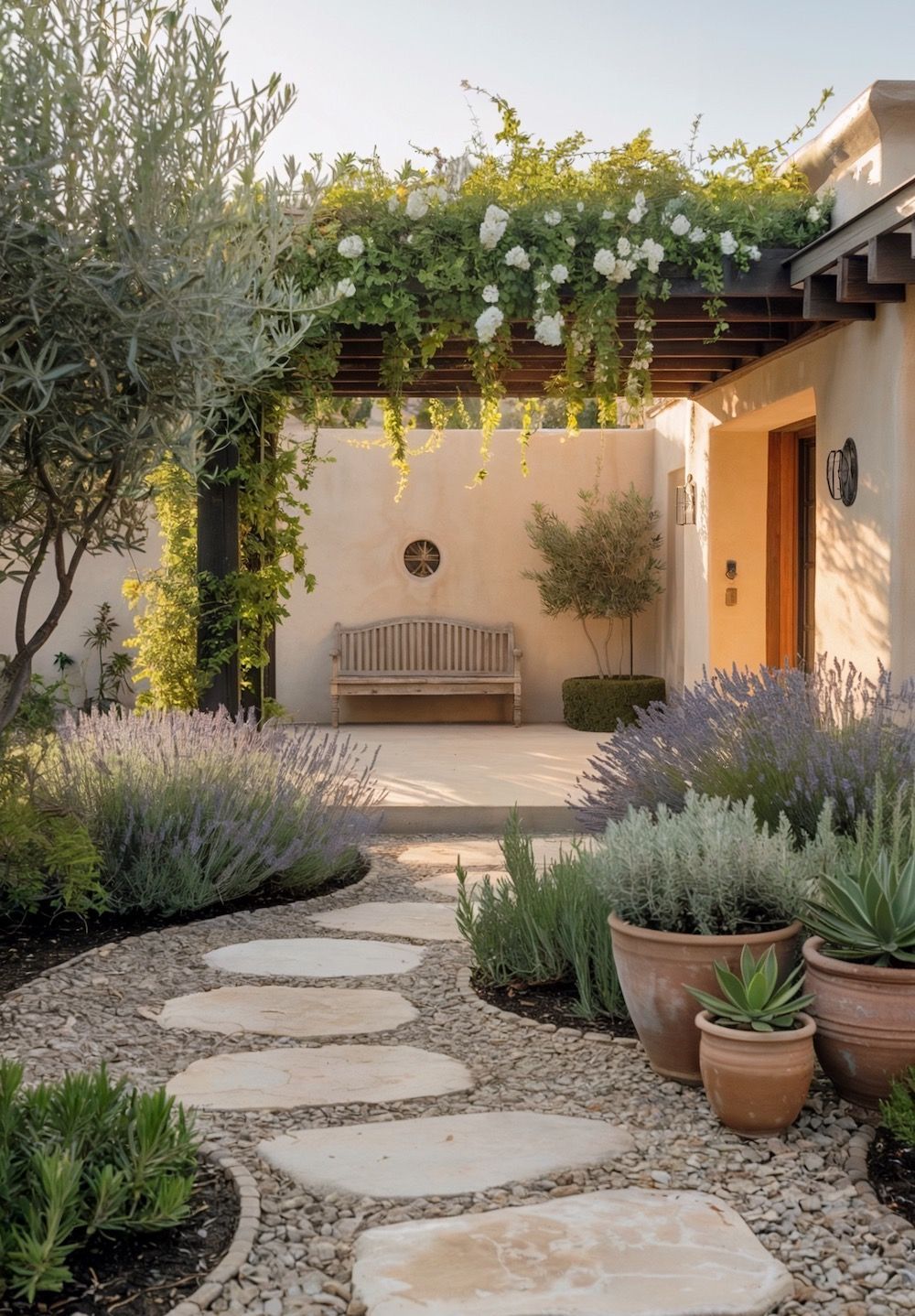
Characteristic Plants
• Grey-foliaged plants — lavender, wormwood (Artemisia), dead-nettles (Lamium).
• Roses — climbing and shrub varieties, planted against walls or along pergolas.
• Culinary herbs — thyme, oregano, sage, lemon balm, rosemary (often grown in containers or overwintered indoors).
• Fruit trees — apple, pear, plum, cherry.
• Trees for avenues — linden (lime trees), plane trees (in suitable Lithuanian locations), columnar maples.
• Flowering perennials — irises, peonies, delphiniums, phlox.
• Climbers — grapevines, clematis, and in warmer sheltered spots, wisteria.
A Provence garden is a harmony of light, fragrance, and simple daily life. Its character emerges when decorative qualities remain closely linked to function, and when plants and materials are selected responsibly, taking local site conditions into account.